
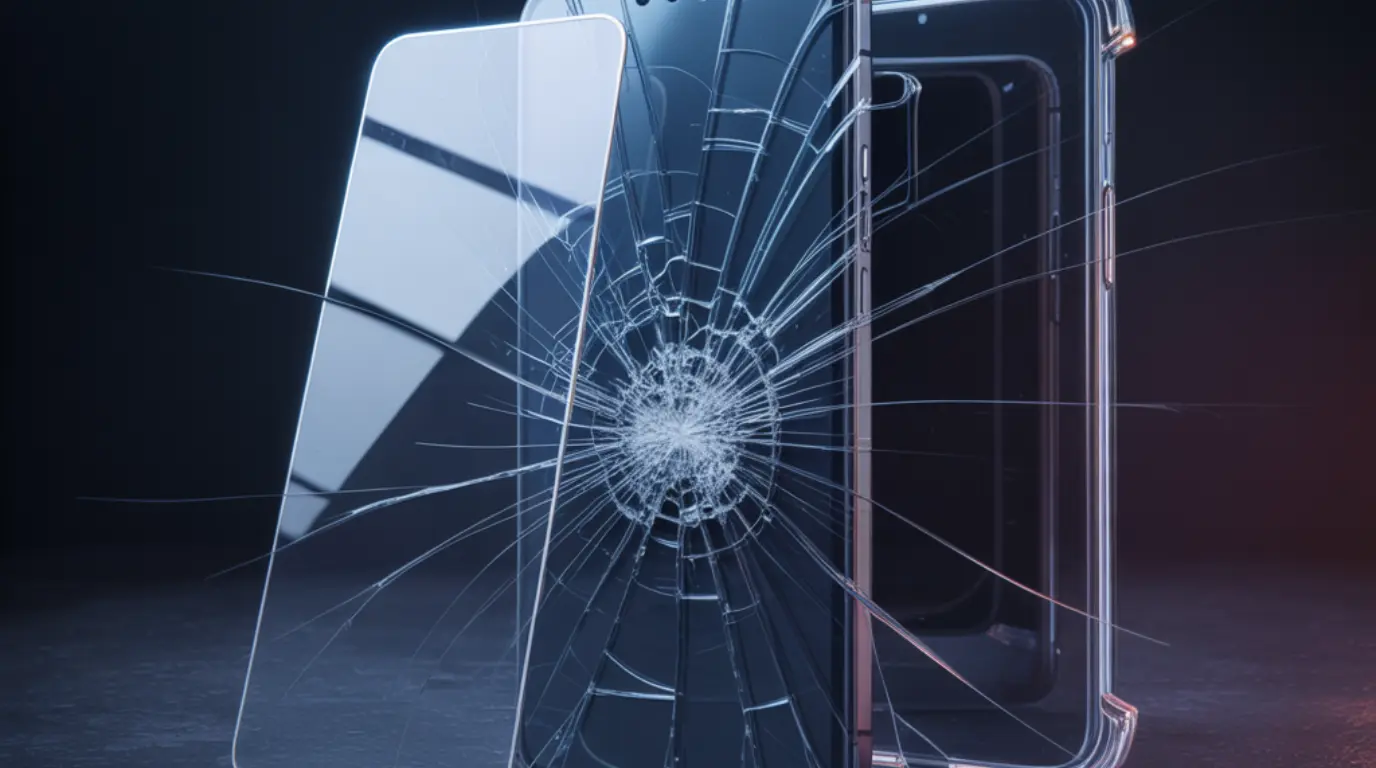
Cracked screen prevention starts with two essentials: a 9H tempered glass screen protector and a shock-absorbing case applied from day one. Together these two layers absorb over 90 percent of typical drop energy before it reaches your actual display glass. For under $30 total, you protect a screen that costs $150 to $400 to replace.
You are probably here because a cracked screen already cost you money, or because you just got a new device and you refuse to let it happen again. Most cracked screens are completely preventable, and the people who keep cracking their phones are missing two or three specific habits. This guide covers what actually works, in order from free to paid.
What Causes a Cracked Screen

Understanding exactly why screens crack helps you target the right prevention strategy. Most cracked displays share one of five causes, and identifying yours tells you which fix to prioritize.
Accidental Drops onto Hard Surfaces
The most common cause is a drop onto concrete, tile, or hardwood from under three feet high. When the device hits at an edge or corner angle, impact force concentrates at one point and the glass fractures outward in a starburst. If your crack starts from a single corner and radiates outward, a drop is almost certainly your cause.
Pocket and Bag Pressure
Sitting down with your phone in a back pocket applies surprising lateral force to the display glass. Tight jeans combined with normal seated pressure can exceed the flex tolerance of thin modern phones. A straight crack appearing suddenly without any drop is the signature of pocket pressure damage.
Extreme Temperature Changes
Glass expands in heat and contracts in cold, and rapid temperature shifts create internal stress fractures without any physical impact at all. Leaving your phone on a car dashboard in summer or moving it quickly from freezing air into a warm room puts the display under thermal stress it was never designed to handle. A crack that forms along a straight line from no visible impact point is almost always temperature damage.
Frame Flex From Bending Pressure
Sitting on your phone, placing heavy objects on top of it, or cramming it into an overpacked bag bends the thin frame beyond its tolerance. This flex transfers stress directly to the screen from the edges inward, creating cracks that curve toward the center. Edge-originating cracks that arc inward are almost always caused by frame flex rather than any drop.
Low-Quality or Poorly Installed Screen Protectors
A cheap tempered glass protector with air bubbles beneath it concentrates drop impact at one small point instead of spreading it across the surface. The bubble acts like a fulcrum, delivering maximum force directly to the phone’s real glass underneath. If your screen cracked at a bubble location on your old protector, the product was either low quality or installed without cleaning the surface properly first.
How to Diagnose Your Screen’s Vulnerability at Home
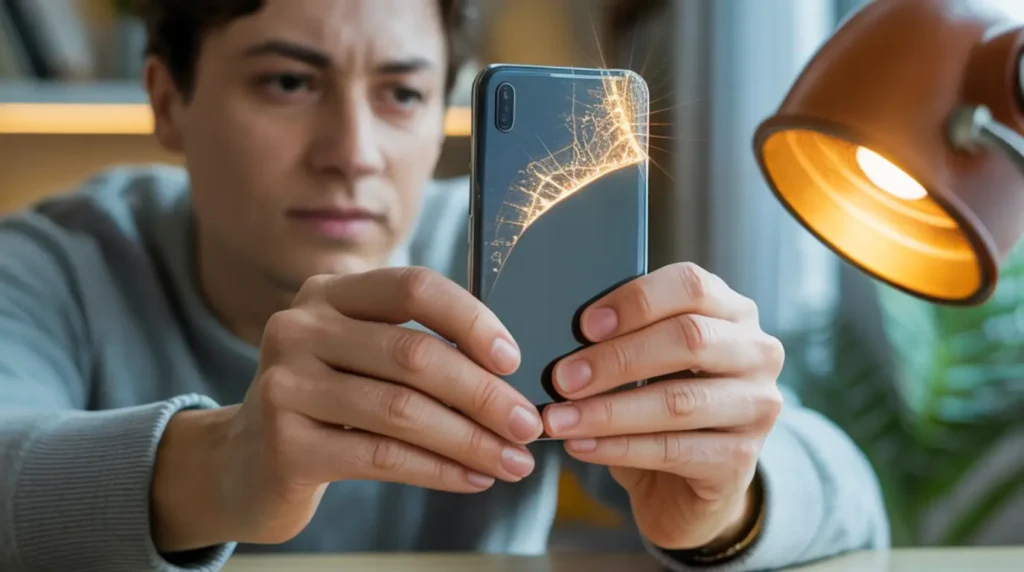
These checks take three minutes and cost nothing. Running them now can catch early warning signs before a small weakness turns into a full break.
- Run your fingernail slowly across the full screen surface from edge to edge. Any roughness or micro-scratch texture you can feel means the outer glass is already compromised and more likely to shatter on the next impact.
- Hold your phone under a bright lamp and tilt it to a 30-degree angle. Look for hairline stress fractures invisible when viewed straight on. Finding them early means you can add protection before a full crack appears.
- Check every edge of your current screen protector. Lifted corners or visible air bubbles mean it has stopped working as a shield and needs immediate replacement before the next drop.
- Press gently in small circles across different zones of the screen. Any area that flexes noticeably more than the rest suggests the adhesive bond between display layers is beginning to fail.
- Run the Dead Pixel Checker at screenproblems.com to spot any internal display panel damage already developing beneath the outer glass, even when the surface still looks intact to the naked eye.
How to Prevent a Cracked Screen
Prevention is always cheaper than repair. These fixes are ordered from completely free to under $50 paid, so start from the top and only move down if needed.
Apply a Tempered Glass Screen Protector Cost: $8 to $20
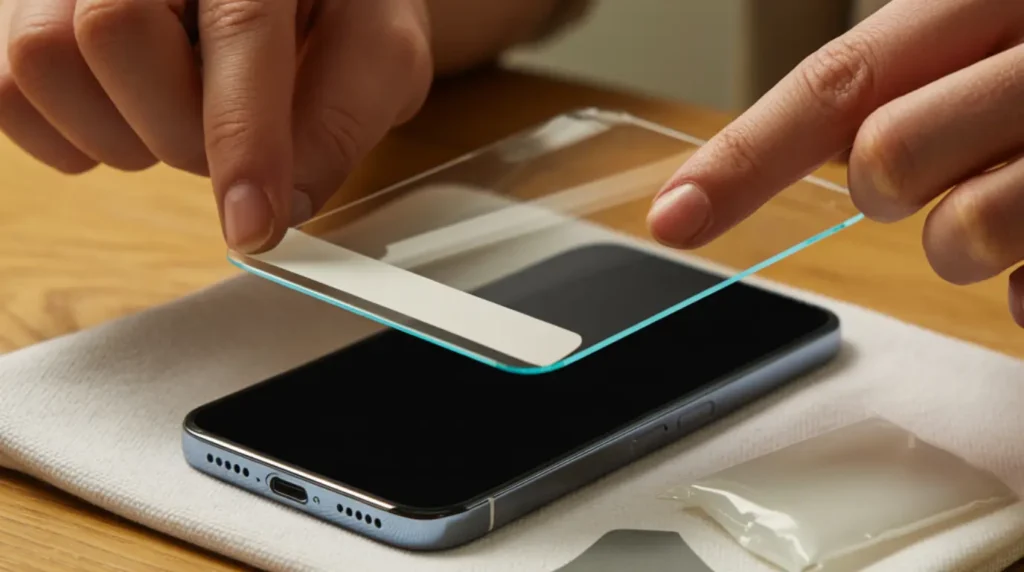
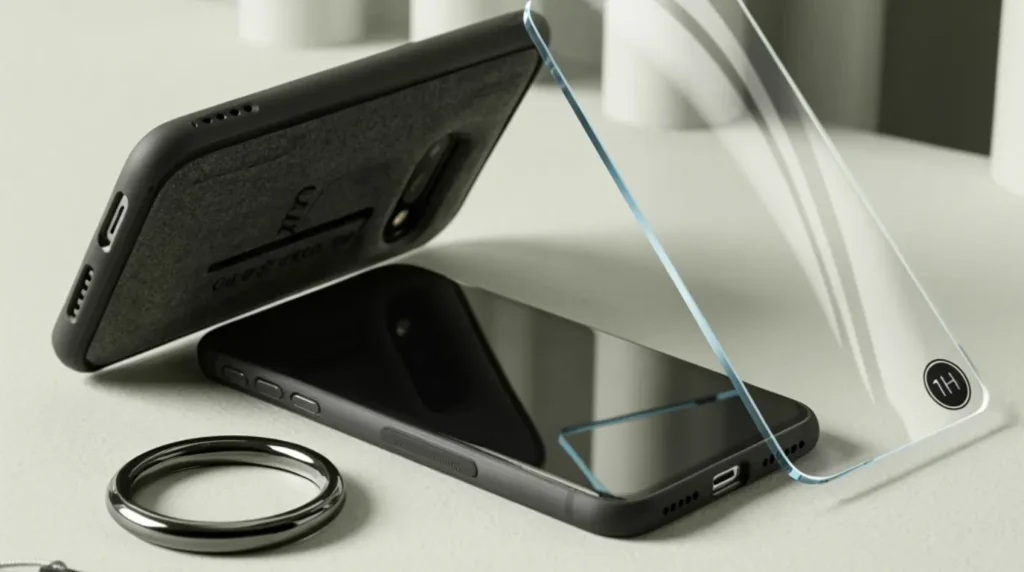
A 9H-rated tempered glass screen protector absorbs and distributes drop impact across its entire surface, shattering itself before your phone’s actual glass cracks. This is the most important cracked screen prevention step you can take, and it costs less than $20 for any device.
- Wipe the screen with the included alcohol prep wipe and let it air dry for a full 60 seconds.
- Peel only the first backing layer and align the protector precisely over the screen before any contact.
- Lower it gently and let the adhesive self-level naturally without pressing down first.
- Use the squeegee card to push bubbles from the center outward to all four edges.
- Press firmly along all edges and corners for 30 seconds to lock the adhesive bond fully.
Install it on day one, before using the phone even once, and replace it the moment it chips so it is always ready to absorb the next impact.
Use a Shock-Absorbing Case Cost: $15 to $45
A drop-protection case cushions the phone frame before any impact force reaches the display, forming the first barrier in your cracked screen prevention setup. Look for cases with a raised lip of at least 1.5mm above the screen surface so the glass never contacts flat surfaces when placed face down.
- Check the raised lip measurement in the product specs before buying because many slim cases advertised as protective have no meaningful lip.
- Compress each corner pad with your thumbnail to confirm shock-absorbing material inside, not just hard plastic shells.
- Replace your case every 12 months even when it looks fine because impact-absorbing compounds harden and lose effectiveness over time.
Pairing a quality case with your tempered glass creates a two-layer protection system that handles the vast majority of real-world drops and accidents.
Change How You Carry Your Phone Cost: Free
Carrying habits cause more cracked screens than most people realize, and fixing them costs absolutely nothing. Always use a front pocket with the screen facing your leg rather than outward to reduce both exposure and pressure on the display glass.
- Never carry your phone in the same pocket as keys, coins, or hard objects that scratch and weaken the glass over time.
- Place your phone face-up on surfaces so a nudge or knock slides it sideways rather than flipping it screen-first into the table.
- Avoid resting it on rough textured surfaces like concrete ledges, brick walls, or gritty outdoor tables even briefly.
Use a Phone Grip or Ring Holder Cost: $10 to $20
Most drops happen during one-handed scrolling, texting, or photography when grip is loose and attention is divided. A PopSocket or ring grip lets you secure the device around one finger and dramatically lowers the chance of losing your hold.
- Mount the grip in the lower-center area of the phone back where your middle finger naturally rests during single-hand use.
- Test with removable demo adhesive before committing to permanent bonding, as some grip adhesives damage cases and are not cleanly removable.
Your hands are your best screen protection tool, and a grip makes them far more reliable for every daily task.
Avoid Extreme Temperature Exposure Cost: Free
Never leave your device inside a parked car on a hot day because dashboard temperatures regularly exceed 70 degrees Celsius in summer, softening display adhesive and making the glass brittle and prone to spontaneous cracking. When coming in from freezing outdoor temperatures, warm your phone gradually by keeping it in a pocket for a few minutes rather than placing it immediately on a warm surface or near a heat source.
When to See a Professional
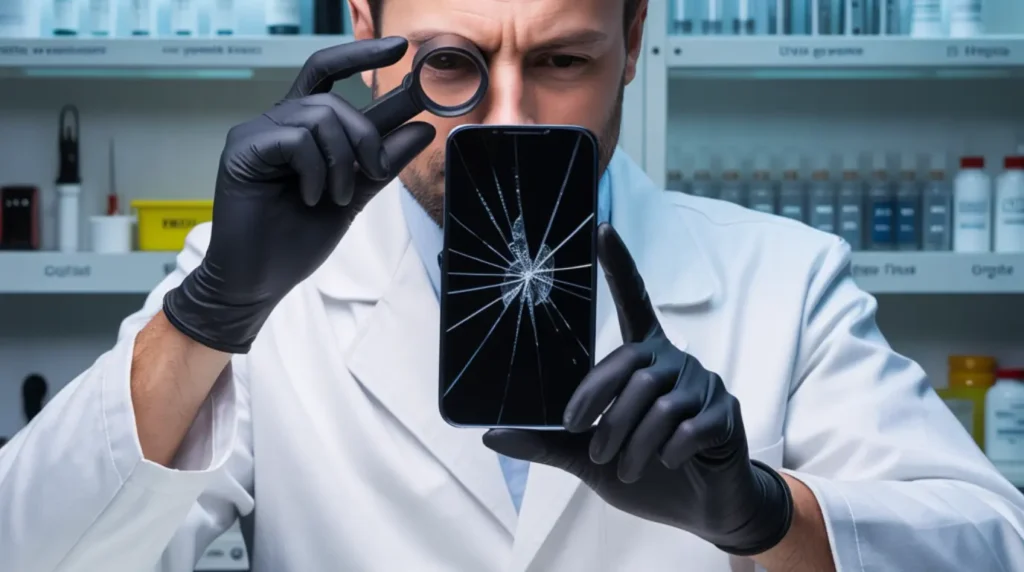
If a crack is actively spreading across your screen or any area has lost touch sensitivity, stop using DIY approaches immediately and take it to a certified repair technician. A spreading crack means the internal display panel is under increasing stress and continued use risks permanent damage to the digitizer layer beneath.
Before paying full replacement cost, check your device warranty and any insurance coverage first. Apple Care Plus and Samsung Care Plus both cover accidental screen damage for a one-time service fee of $29 to $99, which is dramatically cheaper than out-of-pocket repairs ranging from $150 to $400 depending on the device model.
Ask the technician specifically about UV resin crack-sealing before agreeing to a full screen replacement. For shallow hairline cracks that have not reached the inner panel, UV resin injection stops the spread for $30 to $60 and extends screen life without full replacement cost. Not every shop offers this, so ask before committing to the more expensive procedure.
Prevention Tips
- Apply a 9H tempered glass screen protector on the first day you own any new device, before using it even once.
- Use a protective case with a raised lip of at least 1.5mm above the screen surface at all times.
- Never carry your phone in your back pocket when sitting down.
- Keep your device away from direct sunlight, parked cars, and freezing outdoor temperatures for extended periods.
- Attach a wrist strap or grip accessory during any activity where dropping is more likely, including cooking, exercising, or commuting.
- Replace your screen protector immediately when it chips or cracks so it is always functional for the next drop.
Frequently Asked Questions
Does a screen protector actually prevent cracked screens?
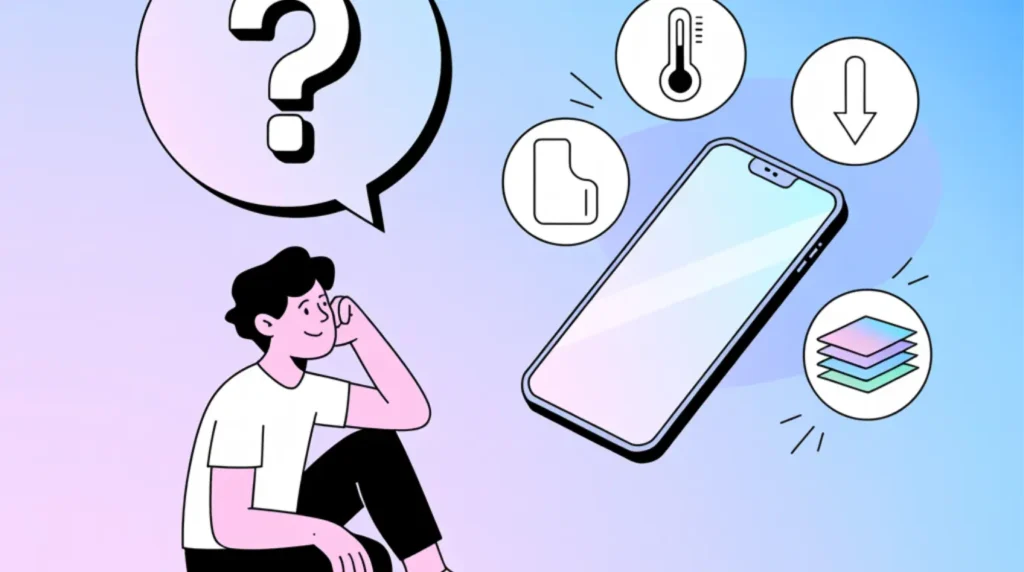
Yes, a genuine 9H tempered glass protector prevents most cracks from drops under three to four feet by shattering itself instead of your phone’s actual glass. Once the protector cracks, it has done its job and needs replacement before the next impact. A fresh $10 protector every six to twelve months prevents a $250 repair.
My phone cracked in my pocket without any drop. How?
Pocket cracking is more common than most people realize and results from sitting pressure, frame flex, and micro-scratches already weakening the glass before the final crack appears. Tight jeans are one of the most underreported causes of cracked screens, especially on thin modern phones. Switching to front-pocket carrying with a proper protective case prevents this specific damage pattern from happening again.
How often should I replace my screen protector?
Replace it immediately when you see any chip, crack, or deep scratch, regardless of size. For undamaged protectors, replacing every six to twelve months is smart because invisible micro-abrasions reduce impact resistance long before the damage is obvious. Use the Stuck Pixel Fixer tool at screenproblems.com to check whether any display damage is developing beneath your current protector.
Can temperature changes alone crack a phone screen?
Yes, thermal stress is a real cause of cracked displays that requires zero physical impact at all. Rapid shifts between hot and cold create internal glass stress fractures that break the display from within without any drop or pressure. Keeping your phone at stable temperatures and out of parked cars is one of the most effective and completely free cracked screen prevention habits you can build.
Editor Note screenproblems.com
Reviewed for technical accuracy by the screenproblems.com editorial team.
All fixes verified against current device software and firmware versions.
Pricing reflects current market rates and may vary by region.
This article will be updated whenever new fixes are confirmed.
For unresolved issues visit the Contact Us page with your device details.
About the Author Ben, Founder of screenproblems.com
Ben has 10 years diagnosing display hardware and software issues.
All content is written from direct technical experience, not sourced from other websites.
Ben always prioritizes free fixes before recommending any paid repair.